
Architecting Low-Latency Gateways Across 20+ Domestic & Global Brokers
Building unified WebSocket multiplexing, sub-millisecond tick normalization, and zero-drop failover for active traders.
Development Team
Core Infrastructure & Systems Desk
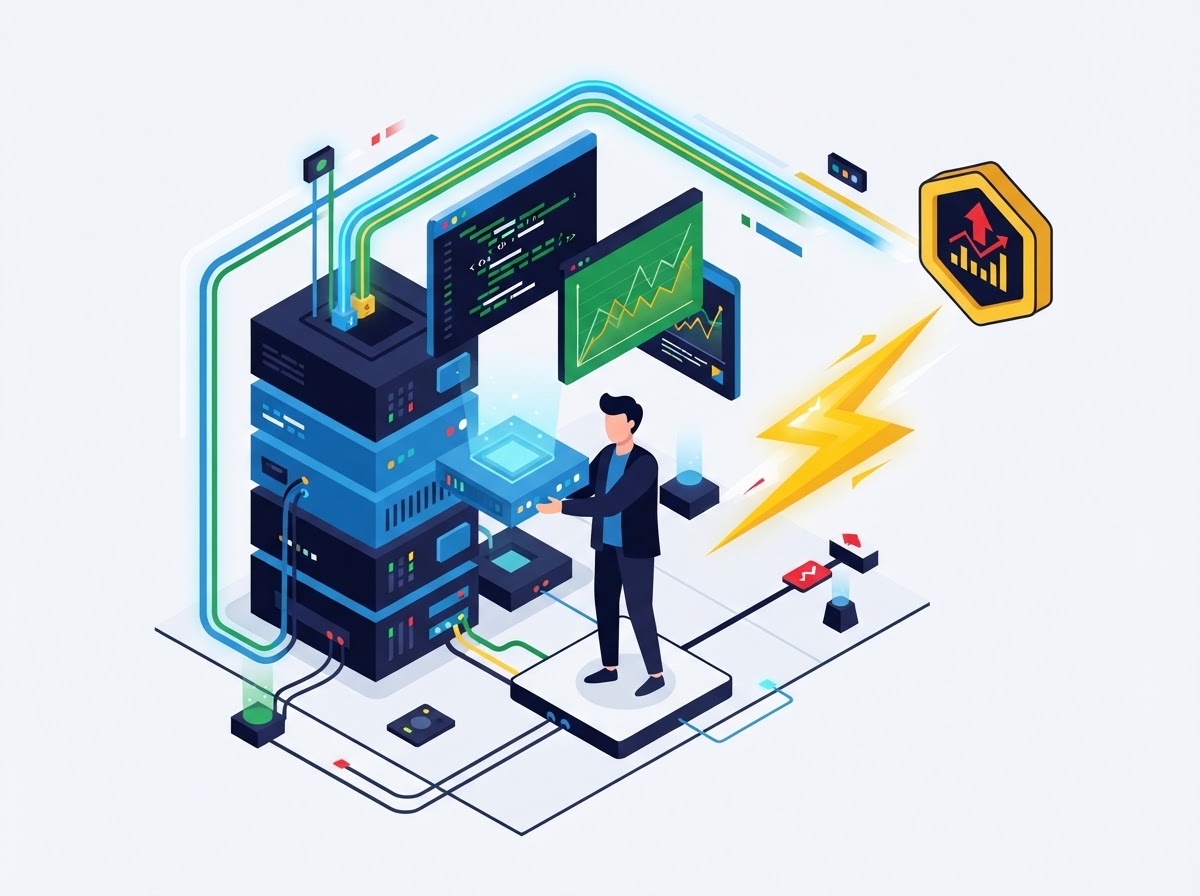
The Challenge of Broker Fragmentation in Modern Trading
In India and global markets, brokers provide proprietary REST APIs and WebSocket streams. Broker A transmits JSON payloads with snake_case keys; Broker B broadcasts binary packets with big-endian integer coordinates; Broker C enforces stringent 10 requests-per-second order modification throttles.
When an algorithmic strategy or high-speed trader attempts to execute cross-broker statistical arbitrage or hedging, maintaining separate connection codebases leads to latency jitter, socket disconnects, and execution slippage.
A 20-millisecond execution delay in fast-moving options expiries can mean a 15% slippage on order execution. Our gateway architecture reduces internal pipeline latency to under 450 microseconds.
Unified Protocol Normalization Engine
Our system acts as a universal abstraction layer. Every broker inbound stream is ingested by dedicated worker threads, parsed into zero-copy internal memory structs, and piped into an ultra-fast publish-subscribe bus.
Traders write strategy logic or interact with TradingFootprint without caring whether their underlying broker is Zerodha Kite Connect, Angel One SmartAPI, Upstox, Dhan HQ, Fyers, or Interactive Brokers.
- Connection Pooling: Independent WebSocket pools with automatic ping-pong heartbeat health checks.
- Dynamic Rate Limiting: Leaky-bucket algorithms calibrated to each broker's specific API quota.
- Token Auto-Refresh: Automated TOTP authentication handlers ensuring zero morning login interruptions.
- Redundant Feed Validation: Cross-referencing tick timestamps between multiple brokers to detect stale feeds.
// Unified Normalized Market Tick Interface
export interface NormalizedMarketTick {
  symbol: string;             // e.g., "NIFTY26FEB24500CE"
  exchange: "NSE_FO" | "NSE_EQ" | "MCX" | "BSE_FO";
  brokerSourceId: string;     // Underlying provider tag
  timestampNs: bigint;        // Hardware nanosecond clock
  lastPrice: number;
  lastQuantity: number;
  totalVolume: number;
  openInterest: number;
  bidDepth: Array<{ price: number; quantity: number; orders: number }>;
  askDepth: Array<{ price: number; quantity: number; orders: number }>;
  packetLatencyMs: number;    // Measured transit delay
}
High-Availability Failover & Order Recovery
What happens if a broker's trading gateway experiences a cloud outage in the middle of a high-stake position? TradingFootprint incorporates automatic smart-route failover.
If an order routing request returns an upstream 502 or socket timeout, the gateway evaluates pre-configured hedge rules, cancels pending modifications, and can trigger emergency offset orders through an alternate configured secondary broker account.
Key Engineering Takeaways
- Unified gateway standardizes 20+ broker protocols into a high-speed normalized feed.
- Binary zero-copy parsing reduces tick processing latency to sub-millisecond thresholds.
- Automated token refresh and health monitoring eliminate manual morning authentication errors.
- Cross-broker failover safeguards active trading positions against broker-specific downtime.
Test TradingFootprint in our Early Beta
Experience order-flow delta footprints, live 20+ broker connections, and AI recommendations firsthand.
Explore More Articles
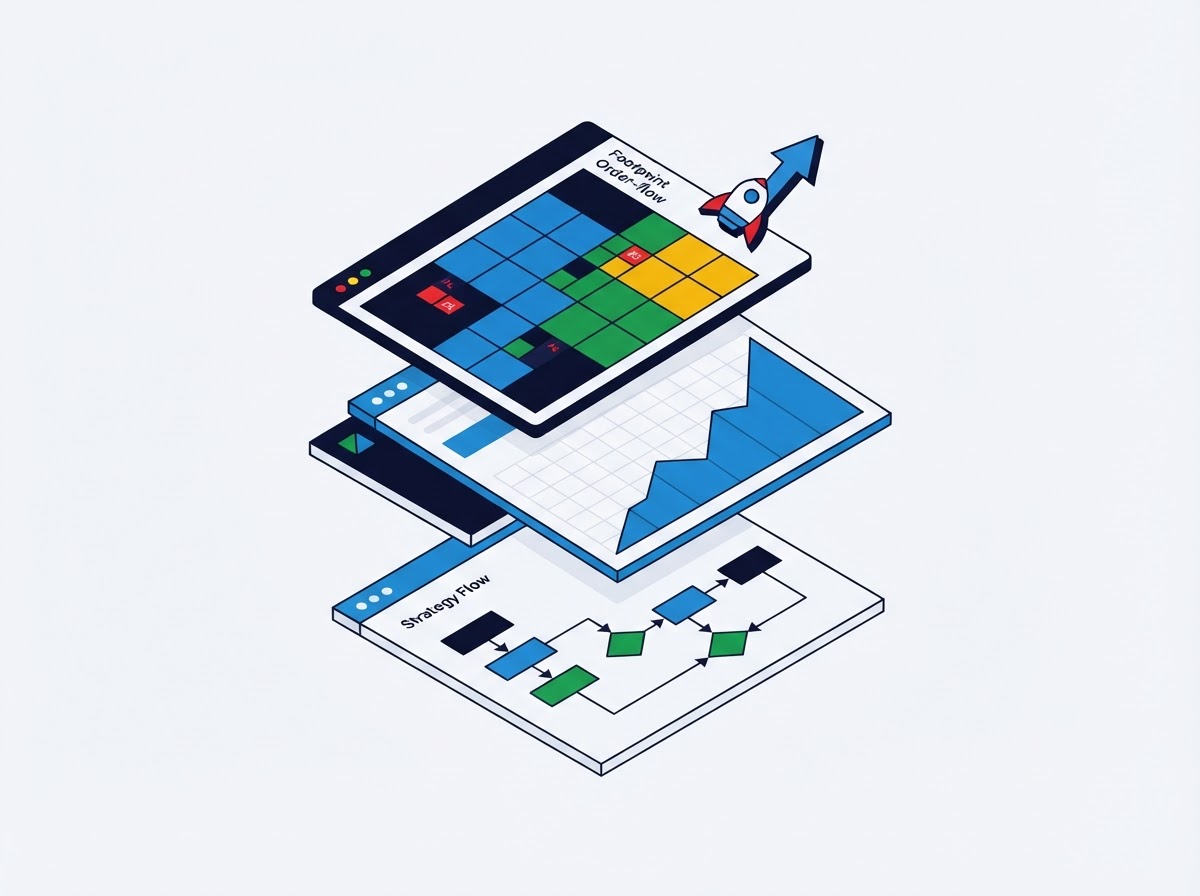
Mastering Order Flow & Footprint Charts in Indian Derivatives
Traditional candlestick charts lag when institutions absorb heavy sell-side liquidity at support levels. Our research desk breaks down how TradingFootprint calculates aggressive buy/sell deltas per tick.
AI-Driven Regime Detection: Machine Learning on Real-Time Market Flows
Trading strategies fail when deployed in the wrong market condition. Our quant desk explores how real-time Hidden Markov Models and deep feature extractors classify current market regimes.